Karila Village Water Project
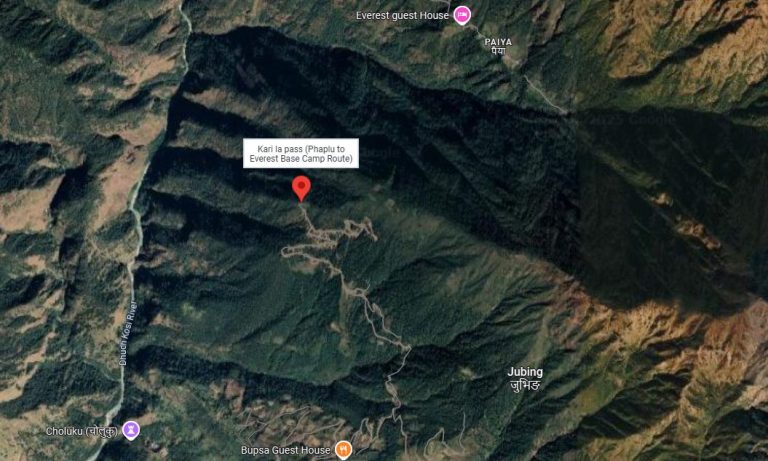
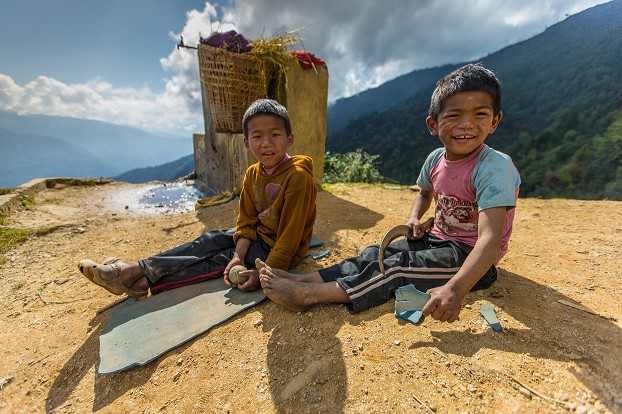
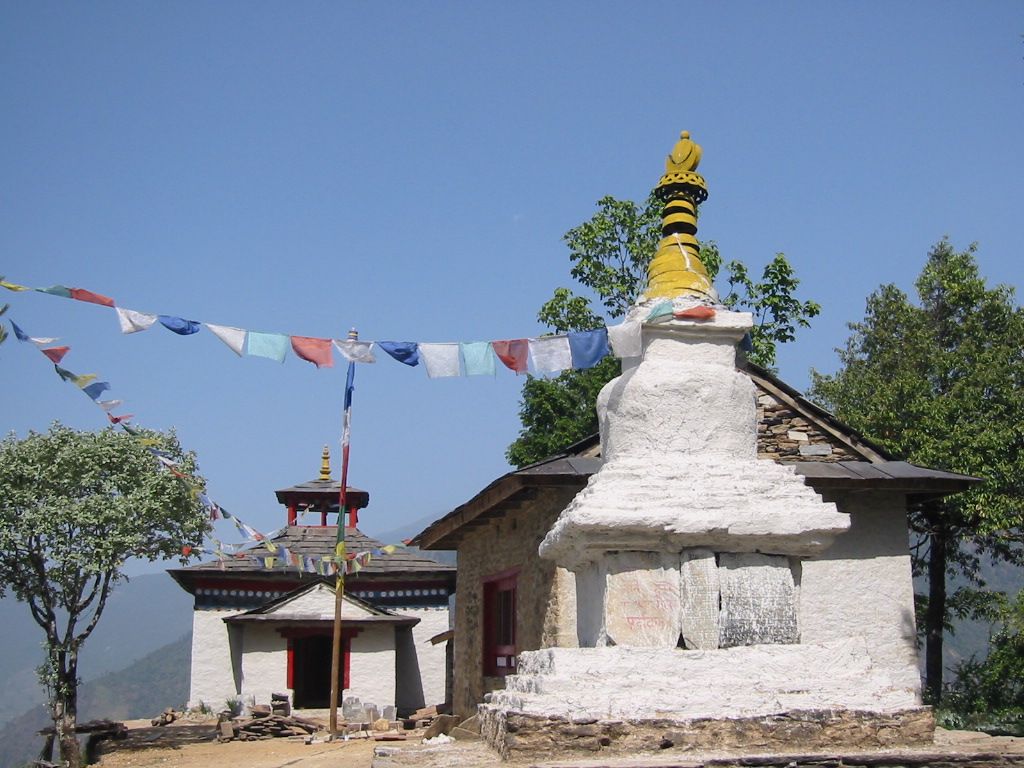
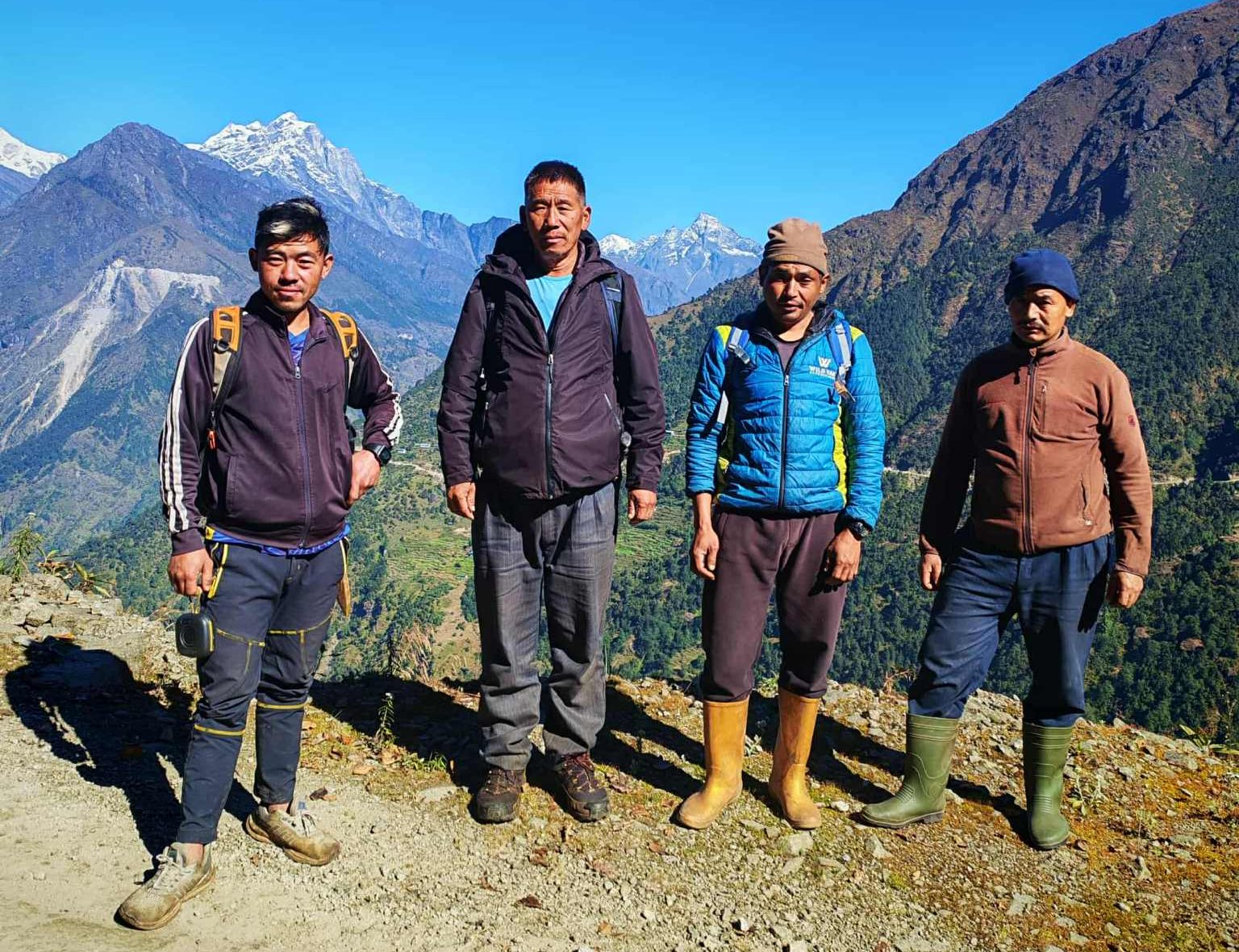
Sourcing water for Karila Village required tapping into the Paiya River, located in the jungle above the settlement, across steep terrain and a cliff face—an estimated distance of about 2,500 metres. The village lies along the original Everest Base Camp trail and was once a thriving stopover for trekkers heading toward Everest. However, this changed dramatically after the opening of Lukla Airport, which bypassed this section of the trail and reduced what was once a three-week journey to a far more appealing two-week trek for most visitors.
This shift affected all the villages in the region and is a major reason why we have focused so much of our work here. Although a small number of trekkers still choose the traditional route, the flow of visitors is nowhere near what it once was; most people today simply don’t have the time to commit to treks longer than 14 days.
Overview
The Karila Village Water Project follows a similar model to our successful work in Rembu, Kinai, and Bupsa and Bumburi. Karila (also known as Kari La Pass) is a small hamlet in the lower Solukhumbu region of Nepal. The aim was simple but transformative: to bring clean, reliable water directly to homes and community collection points so villagers no longer need to make long, steep treks over difficult terrain to reach nearby streams.
The total project cost was approximately £5,000, delivered in two stages.
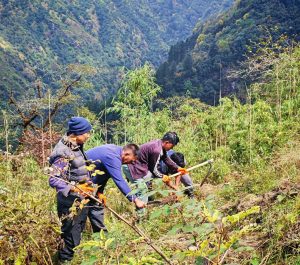
The first stage—funded by a generous £3,000 donation from the medical charity Make A Medic—began in October 2025, just before Nepal’s winter season (December to February). This phase covered essential groundwork, including digging trenches and preparing foundations for the water-holding tank. This initial investment also included the purchase of all the materials, pipes, cement and fittings that would be used and the transport of it all from Kathmandu in to the mountains.
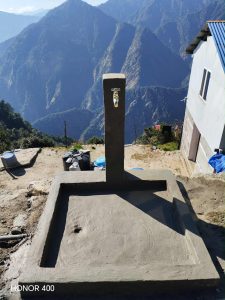
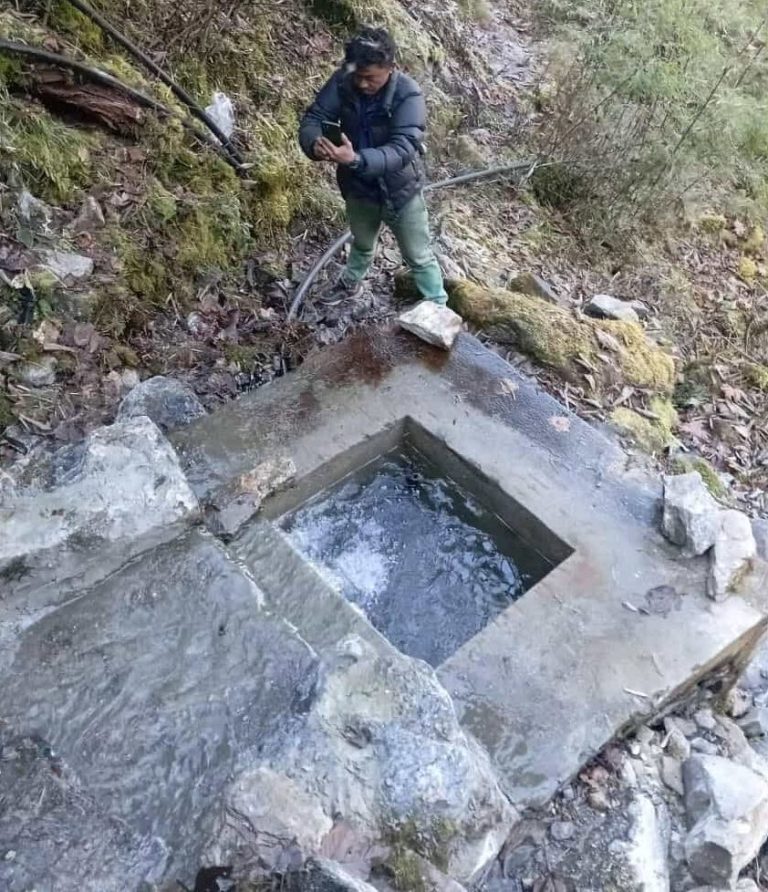
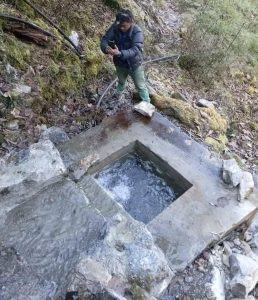
The second stage, completed once winter had passed in 2026, included laying the pipes, constructing the holding tank, and installing taps—an investment of roughly £2,000. The concrete spring box (holding tank) is now fully operational, successfully capturing clean, natural spring water directly from the hillside source while protecting it from external surface contamination and effectively filtering out sediment before directing the clean water through high-density polyethylene (HDPE) pipelines. This infrastructure ensures a safe, reliable, and sustainable flow of clean water downhill directly to the community tap stands.
Karila Village now has a sustainable, accessible water supply that dramatically improves daily life for every household, a system that will be managed and maintained by the local community that benefits from the project.
History of the Karila Village Water Project
Karila village lies along the original Everest Base Camp trail and was once a thriving stopover for trekkers heading toward Everest. However, this changed dramatically after the opening of Lukla Airport, which bypassed this section of the trail and reduced what was once a three-week journey to a far more appealing two-week trek for most visitors.
This shift affected all the villages in the region and is a major reason why we have focused so much of our work here. Although a small number of trekkers still choose the traditional route, the flow of visitors is nowhere near what it once was; most people today simply don’t have the time to commit to treks longer than 14 days.